


Understanding African Braiding Techniques
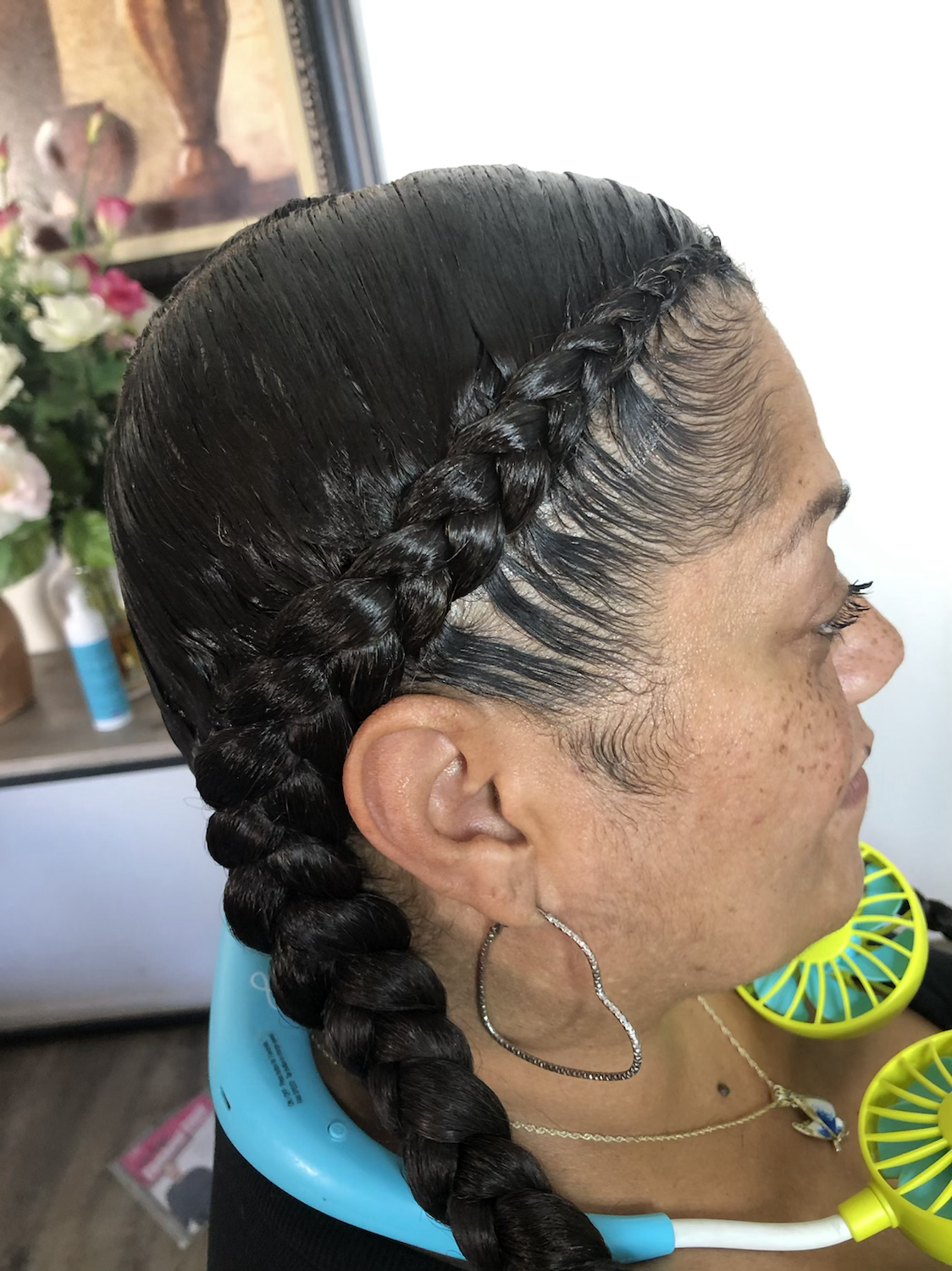
African braiding is more than just a hairstyle - it is a rich cultural tradition that has been passed down through generations. This art form combines creativity, history, and identity, making it a significant part of African heritage. In this post, we will explore the fascinating world of traditional African braiding, its various styles, cultural significance, and practical tips for those interested in learning or appreciating this craft.
The History and Significance of Traditional African Braiding
Traditional African braiding dates back thousands of years. It was not only a way to style hair but also a method of communication. Different braiding patterns and styles could indicate a person’s age, social status, tribe, marital status, and even wealth. For example, in some African communities, intricate braids were reserved for royalty or special ceremonies.
Braiding was often a communal activity, where women gathered to braid each other’s hair, sharing stories and bonding. This tradition helped preserve cultural identity and fostered a sense of community.
Today, traditional African braiding continues to be a symbol of pride and cultural expression. It has also gained global recognition, influencing fashion and beauty trends worldwide.

Exploring Popular Traditional African Braiding Styles
There are numerous traditional African braiding styles, each with unique techniques and meanings. Here are some of the most popular ones:
Cornrows
Cornrows are tight, narrow braids that lie close to the scalp. They can be styled in straight lines or intricate geometric patterns. Cornrows are practical and long-lasting, making them a popular choice for everyday wear.
Box Braids
Box braids are individual plaits that are usually square-shaped at the root. They can vary in size and length and are often adorned with beads or cuffs for decoration.
Fulani Braids
Originating from the Fulani people of West Africa, these braids feature a central braid with side braids decorated with beads and cowrie shells.
Ghana Braids
Also known as banana braids, Ghana braids are thick, raised cornrows that taper at the ends. They are often styled in curved or spiral patterns.
Twists
Twists involve dividing the hair into two sections and twisting them around each other. They can be done with natural hair or extensions.
Each style requires skill and patience, and many braiders spend years mastering these techniques.
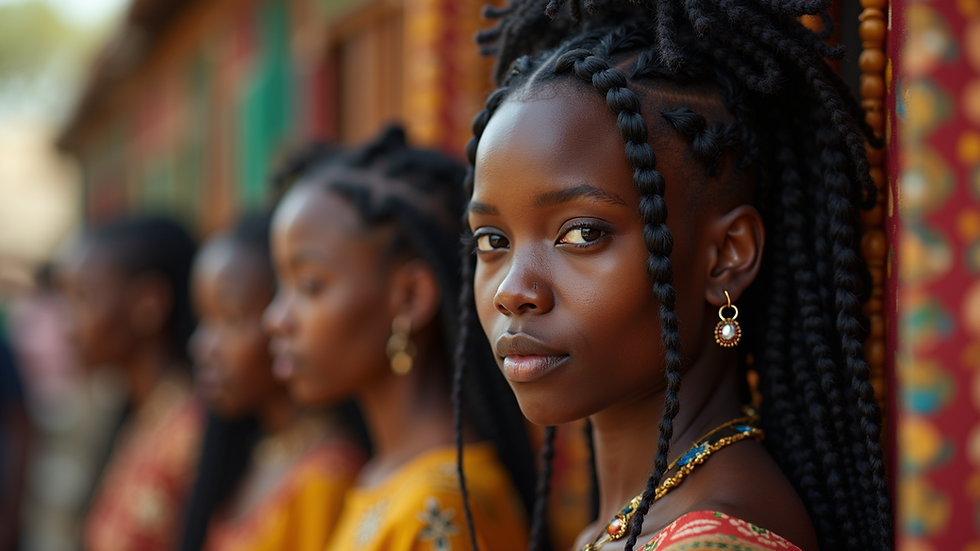
What does the Bible say about braided hair?
Braided hair is mentioned several times in the Bible, reflecting its cultural importance even in ancient times. For example, in the book of Ezekiel 16:12, God describes adorning a woman with braids as a sign of beauty and care. Similarly, in 1 Corinthians 11:14, Paul discusses hair length and styling as a reflection of honor and propriety.
These references highlight that braided hair was not only a cultural practice but also held spiritual and social significance. It was seen as a form of adornment and respect, often associated with femininity and dignity.
Understanding these biblical mentions helps us appreciate the deep roots and respect for braided hair across different cultures and religions.
Practical Tips for Learning and Maintaining Traditional African Braids
If you are interested in trying traditional African braiding, here are some practical tips to get started and maintain healthy hair:
Start with clean, moisturized hair
Clean hair is easier to braid and helps prevent scalp issues. Use a gentle shampoo and a good conditioner to keep hair soft.
Choose the right style for your hair type
Some braids work better with certain hair textures. Consult with a professional braider to find the best style for you.
Take your time
Braiding can be time-consuming, especially for intricate styles. Be patient and allow enough time for the process.
Protect your hair at night
Use a silk or satin scarf or bonnet to cover your braids while sleeping. This reduces frizz and helps maintain the style longer.
Keep your scalp moisturized
Use light oils or leave-in conditioners to keep your scalp healthy and prevent dryness.
Avoid tight braids
Braids that are too tight can cause hair breakage and scalp pain. Make sure your braider is gentle and listens to your comfort.
Regularly clean your scalp
Use a diluted shampoo or scalp cleanser to keep your scalp clean without disturbing the braids.
By following these tips, you can enjoy beautiful, long-lasting braids while keeping your hair healthy.

The Modern Influence and Global Appeal of African Braiding
Traditional African braiding has transcended its origins to become a global phenomenon. Celebrities, fashion designers, and influencers have embraced these styles, bringing them into mainstream culture. This has helped raise awareness and appreciation for the artistry and cultural significance behind the braids.
Moreover, many African braiders have started businesses worldwide, offering their skills and preserving the tradition. This has created economic opportunities and empowered communities.
If you want to learn more about the various styles and history, you can explore resources like african braiding techniques for detailed guides and inspiration.If you want to style your hair ,you can also visit us juniabraids.com
Traditional African braiding remains a vibrant and evolving art form that connects the past with the present, celebrating identity, creativity, and beauty.
Traditional African braiding is a timeless craft that carries deep cultural meaning and artistic expression. Whether you are looking to try a new hairstyle or simply want to understand its significance, appreciating the history and techniques behind these braids enriches your connection to this beautiful tradition.


Comments